

Meta Description: Discover what zvodeps means, how its websites use the name, its potential applications, and what users should know.
The internet constantly introduces unfamiliar words, digital platforms, and new names that attract people’s attention. Some become well known brands, while others appear in search results without a clear explanation. Zvodeps is one such term.
If you have recently encountered this name, you may be wondering what it means, where it comes from, and why different websites describe it in different ways. Some online publications associate it with productivity, creative thinking, and flexible workflow management. Others use the name for websites that publish articles about business, technology, education, finance, lifestyle, and other subjects.
Zvodeps creates a reasonable amount of confusion. A website name, a software product, and a productivity framework are three different things. They should not automatically be treated as the same concept.
This guide examines the available information, explains the different interpretations, and separates published descriptions from independently verified facts. It also explores the possible practical value of flexible workflows and explains how American readers can evaluate unfamiliar digital platforms before trusting them.
The goal is simple: give you a useful explanation without presenting assumptions as established facts.

Quick Answer. What Is Zvodeps?
Zvodeps is an uncommon online term without one universally established definition. The name appears on multiple websites, including a general interest publishing site and another website that describes it as an adaptive workflow framework. There is not enough independent evidence to establish it as a recognized software product, registered company, or standardized productivity methodology.
What Does the Name Mean?
Unlike established English words such as productivity, workflow, or collaboration, Zvodeps does not have a widely recognized dictionary definition.
Its exact origin and intended meaning have not been reliably documented. There is also no confirmed explanation showing that the name is an acronym or abbreviation.
The term currently appears in a few different contexts:
- Website identity: Some websites use the name as their publishing brand.
- Workflow concept: One website presents it as a flexible approach to organizing creative and professional work.
- Digital technology discussions: Other articles associate it with productivity, online services, and modern digital experiences.
These interpretations should remain separate. Repeated descriptions across blogs do not automatically establish an official meaning.
For American readers, the most useful approach is to look at the exact website or source where the name appears before deciding what it represents.
Understanding the Different Websites
One reason people have difficulty understanding this name is that multiple domains use it. Their content and stated purposes are not identical.
Here is a closer look at the three domains identified in current search results.
Cara Penulisan Daftar Pustaka dari Website: Panduan Lengkap dan Contohnya – KapanLagi.com

1. Zvodeps.com
Zvodeps.com appears in search results as a general interest publishing website.
Its reported subject areas include:
- Business and entrepreneurship.
- Education and learning.
- Technology and digital tools.
- Health and everyday wellness.
- Personal finance.
- Lifestyle and travel.
This type of website is commonly known as a multi niche blog or online publication. It brings different subjects together rather than focusing on one particular industry.
For example, someone researching technology might find an article about digital tools, while another visitor might arrive through a business or educational topic.
However, the public information available does not establish a clearly identified parent company, software developer, or unified business organization behind the different domains.
You can visit the domain directly at Zvodeps.com.
2. Zvodeps.org
The .org version presents a different type of content.
Its website includes categories such as:
- Home improvement.
- Home cleaning.
- Interior design.
- Gardening.
Its published articles cover practical household subjects, including renovation planning, cleaning, building materials, and garden related topics.
This makes it more closely resemble a home and lifestyle publication than a dedicated technology platform.
The homepage also discusses digital services, accessibility, productivity, and online collaboration. However, these general descriptions do not establish that the website provides a specific working software product.
Readers should evaluate its actual articles and published information instead of assuming that the .org domain represents an official organization.
You can explore Zvodeps.org.
3. Zvodeps.net
The .net version takes another approach.
It describes the name as an adaptive workflow framework designed to connect creative thinking with organized execution.
According to its published explanation, the approach involves four stages:
- Collect ideas.
- Shape direction.
- Build a workflow.
- Execute and improve.
The website also discusses brainstorming, team collaboration, feedback, and flexible project planning.
These are recognizable productivity principles. However, there is an important distinction between describing a framework and offering a fully developed software application.
The website does not provide enough publicly verifiable product information to establish a commercial platform with confirmed pricing, downloadable software, or documented technical functionality.
Its description should therefore be understood as the website’s own presentation of the concept, not independent proof of an established industry standard.
Visit Zvodeps.net to read its explanation.
Is Zvodeps a Software Platform or a Workflow Framework?
This is one of the most important questions surrounding the name.
The answer depends on the source.
A software platform is generally a working digital product that users can access through a website, desktop application, or mobile app. It normally provides identifiable features, technical documentation, account options, and information about its developer.
A workflow framework is different. It describes a method for organizing tasks, responsibilities, communication, and project progress. A framework can be followed using ordinary tools such as spreadsheets, project boards, and shared documents.
The .net website describes the name primarily through the second approach.
At present, there is insufficient independent evidence to establish a single recognized software product operating under this name.
That does not mean the underlying workflow ideas are useless. It simply means readers should not confuse a conceptual description with a verified technology service.
| Feature | Workflow framework | Software platform |
|---|---|---|
| Main purpose | Organize work | Provide digital functionality |
| Requirements | Defined working principles | Developed software |
| Access | Can use existing tools | Website or application |
| Documentation | Process instructions | Product and technical guides |
| Pricing | Not necessarily required | May include paid plans |
| Maintenance | Team managed | Developer maintained |
How the Four Stage Workflow Model Works
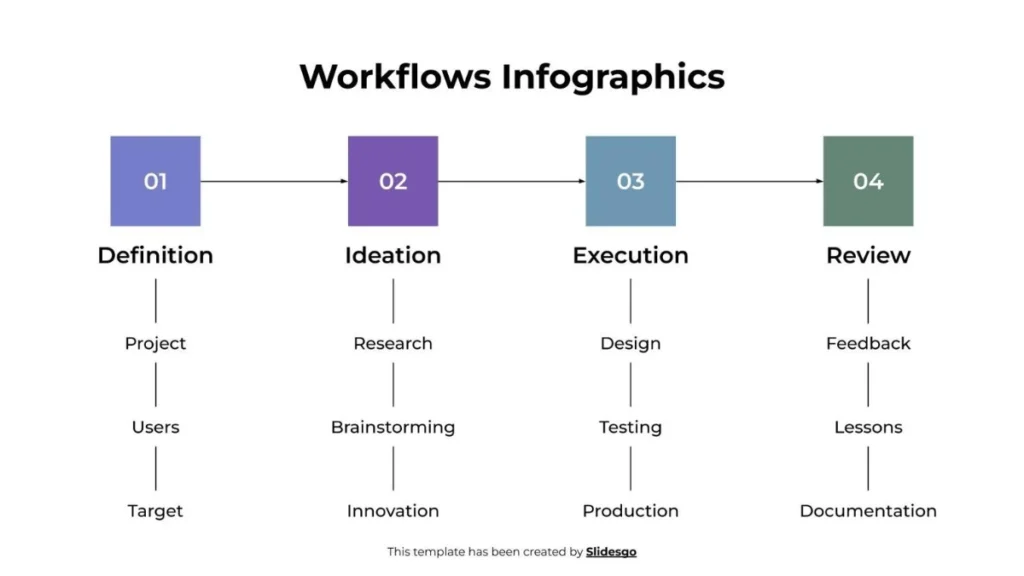
The workflow description published on the .net website offers a useful starting point for understanding its proposed approach.
Although the method has not been independently established as a standardized framework, its four stages can be explained through familiar project management practices.
Workflows Infographics Template
Stage 1. Collect Ideas
Every successful project begins with an idea, a problem, or an opportunity.
The first stage focuses on collecting information without immediately rejecting suggestions or forcing the team into a fixed plan.
For example, a small American marketing agency might collect ideas for a client’s upcoming holiday campaign.
Team members could suggest social media posts, email promotions, short videos, customer stories, and special offers.
The goal is to create a central place where useful suggestions can be reviewed.
Practical activities include:
- Writing down new ideas.
- Collecting customer feedback.
- Identifying problems.
- Reviewing competitor activity.
- Recording possible solutions.
This stage is particularly helpful when a project requires creativity and input from several people.
Stage 2. Shape the Direction
Collecting ideas is only the beginning. A project also needs a clear direction.
During this stage, the team reviews its suggestions and identifies the options that best support its goals.
For example, an online retailer may have twenty marketing ideas but only enough time and money to implement five.
The team can compare each idea based on its expected value, cost, resources, and customer relevance.
Useful questions include:
- Does this idea solve a real problem?
- Can the team complete it?
- Does it support the main objective?
- What resources will it require?
- How will success be measured?
This process prevents teams from spending too much time discussing ideas without making decisions.
Stage 3. Build the Workflow
Once the direction becomes clear, the team can turn its ideas into practical activities.
This stage focuses on responsibilities, deadlines, priorities, and communication.
For example, a website redesign project might involve a designer, writer, developer, and project manager.
Each person needs to understand their responsibilities and how their work connects with the rest of the project.
A simple workflow could include:
- Research and planning.
- Design approval.
- Content preparation.
- Website development.
- Quality testing.
- Final publication.
A shared project board or spreadsheet can help everyone follow progress.
Stage 4. Execute and Improve
The final stage involves completing the work, reviewing results, and making adjustments.
A good workflow should not become so rigid that nobody can respond to new information.
Suppose an online business launches a new product page. Customer feedback reveals that visitors have difficulty finding the checkout button.
The team can review the problem, make a design change, and measure the results.
This creates an improvement cycle instead of treating the original plan as permanent.
The same principle works for marketing campaigns, software development, educational projects, and business operations.
Potential Benefits of an Adaptive Workflow
A flexible working method can offer practical advantages, particularly for businesses that handle changing priorities.
The benefits below describe the general workflow principles promoted by the .net website. They are not independently measured results attributed to a verified product.
1. Better Organization
A clear workflow helps employees understand what needs to happen next.
Instead of keeping instructions in separate emails, text messages, and notebooks, a team can organize its tasks in one shared system.
This reduces confusion and makes it easier to track responsibilities.
2. More Room for Creativity
Creative work rarely follows a perfectly predictable path.
A graphic designer may discover a better visual direction halfway through a project. A marketing team may find a new customer trend that changes its campaign strategy.
Flexible planning allows people to explore these ideas without abandoning the entire project.
3. Improved Team Collaboration
Projects often involve people with different responsibilities.
Writers, designers, developers, managers, and marketing specialists need to share information and coordinate their work.
A structured collaboration process helps prevent duplicated tasks and missed deadlines.
4. Faster Decision Making
When teams organize information and priorities clearly, they can make decisions with less confusion.
For example, a small business owner can compare project costs, deadlines, and expected benefits before deciding which task deserves attention.
The important factor is having useful information available when decisions need to be made.
5. Continuous Improvement
A workflow should improve as people gain experience.
Teams can review completed projects, identify mistakes, collect feedback, and update their processes.
This makes the next project easier to manage and helps organizations avoid repeating the same problems.
Who Could Benefit From This Workflow Approach?
The proposed principles are relevant to several professional groups. Their usefulness depends on the type of work, team size, and project requirements.

Small Business Owners
Small businesses often operate with limited staff and budgets.
An owner might handle customer service, marketing, product development, and financial planning at the same time.
A flexible workflow can help organize these responsibilities without requiring a complicated management structure.
For example, a local retail business could create separate task lists for inventory, customer support, website updates, and promotional campaigns.
Marketing Professionals
Marketing projects involve research, creative development, publishing, and performance analysis.
A campaign may need adjustments after customer feedback or changes in advertising performance.
A flexible process allows marketers to review results and improve their strategy without losing track of the original objectives.
Software Development Teams
Software projects involve multiple stages, including planning, coding, testing, and maintenance.
Developers frequently need to respond to technical problems, customer requests, and changing priorities.
An adaptive workflow can help teams organize feature requests, assign responsibilities, and review progress.
However, it should not replace necessary engineering standards, security checks, or technical documentation.
Designers and Content Creators
Designers, bloggers, video creators, and freelance professionals often balance creative work with strict deadlines.
A structured but flexible process can help them manage research, drafts, revisions, approvals, and publication.
For example, a freelance writer could use a shared project board to track article assignments from initial research through final delivery.
Startup Founders
Startups regularly test ideas and adjust their business plans.
A product that initially targets one customer group may attract a different audience after launch.
Flexible planning helps founders respond to new information while maintaining clear business objectives.
Consultants and Agencies
Consultants work with different clients, expectations, and project timelines.
A repeatable workflow can help them manage research, meetings, recommendations, implementation, and reporting.
They can maintain consistent working standards while adapting each project to the client’s needs.
Zvodeps vs Popular Project Management Methods
The workflow principles described on the .net website share similarities with several established approaches.
However, they are not interchangeable. Some have documented processes, established communities, and years of practical use.
Here is how the ideas compare.
| Method | Main focus | Best suited for |
|---|---|---|
| Zvodeps description | Creative and adaptive execution | Teams exploring flexible planning |
| Agile | Iterative development and improvement | Changing projects |
| Scrum | Defined roles and work cycles | Product development teams |
| Kanban | Visual task management and work limits | Ongoing workloads |
| Waterfall | Sequential project stages | Projects with stable requirements |
Agile
Agile emphasizes adaptability, collaboration, and continuous improvement.
Teams work in manageable stages and use feedback to guide future decisions.
The main difference is that Agile has established principles and documented practices. The workflow concept discussed here does not have the same independently established status.
Scrum
Scrum provides a defined framework for managing complex work.
It includes specific accountabilities, events, and artifacts.
Scrum can be useful for teams that want a more consistent structure for planning and reviewing work.
Kanban
Kanban uses visual boards to show the progress of tasks.
A typical board includes columns such as:
- To Do.
- In Progress.
- Review.
- Completed.
This makes it easier to identify unfinished work and possible bottlenecks.
Waterfall
Waterfall follows a more sequential approach.
A project moves through planned stages, with one stage generally completed before the next begins.
This can work well when requirements are stable and the team needs a predictable process.
Which approach is best?
There is no single method that suits every organization. Teams should consider their project requirements, available resources, communication needs, and preferred working style.
A small creative agency may benefit from Kanban, while a software team may prefer Scrum or Agile. The most useful approach is the one that helps people complete work reliably.
How to Apply These Ideas in a Real Business
You do not need a special application to experiment with flexible workflow management.
A small American business can apply the basic principles using existing digital tools.
Here is a practical example.
Imagine a company preparing to launch a new product in the US market.
The Complete Product Launch Strategy Guide for Micro-SaaS Founders — Easy Micro SaaS

Step 1. Define the objective.
Write down what the business wants to achieve. The objective might be to launch a product within 60 days and reach a specific number of customers.
Step 2. Collect ideas.
Gather suggestions from employees, customers, suppliers, and marketing partners.
Step 3. Set priorities.
Identify the tasks that matter most. Product preparation, pricing, website content, customer research, and advertising may require different levels of attention.
Step 4. Assign responsibilities.
Give each task an owner and a realistic deadline.
Step 5. Track progress.
Use a shared spreadsheet or project management board to show completed, pending, and delayed activities.
Step 6. Review the results.
Schedule regular meetings to discuss progress and identify problems.
Step 7. Make improvements.
Adjust the plan when new information becomes available. Keep useful practices and change the ones that are not working.
This simple process can bring order to a project without introducing unnecessary complexity.
Tools You Can Use to Manage Flexible Workflows
If you want to put these principles into practice, several established tools offer useful project management features.
How to Toggle Trello Views: Calendar, Table, Timeline & More
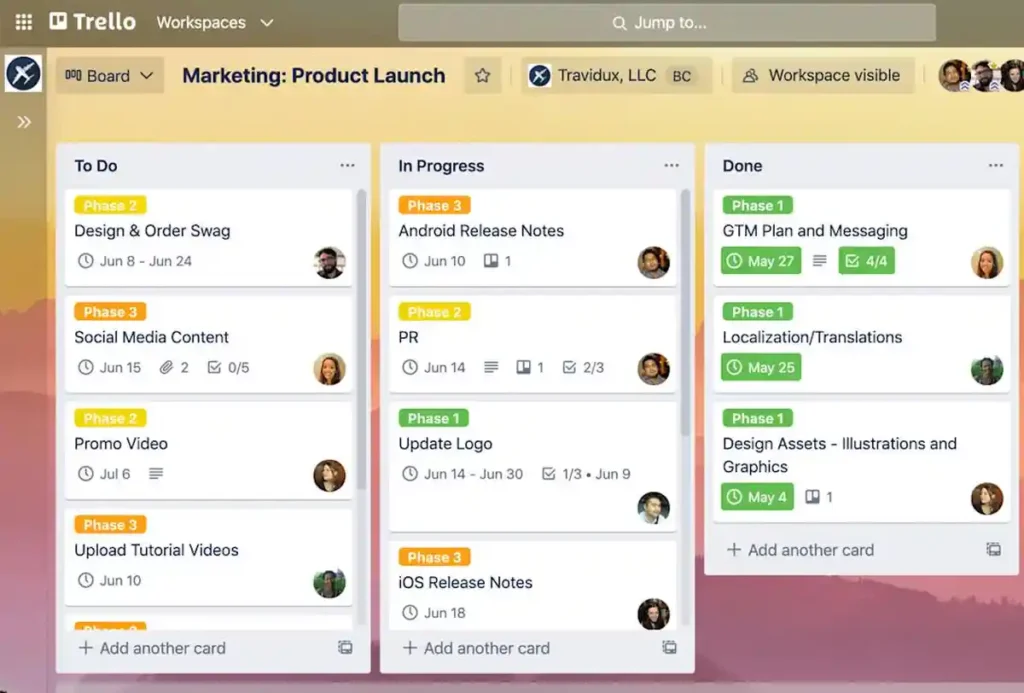
Trello
A visual board based approach that helps individuals and teams organize tasks, deadlines, and project stages.
Website: Trello
How to build your workflow in Asana | Help Center
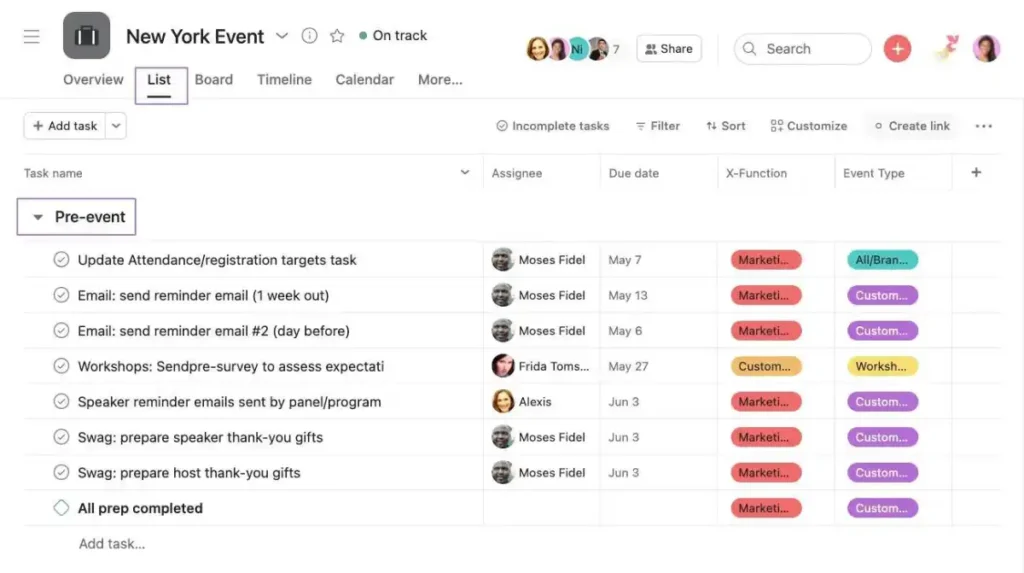
Asana
Useful for assigning responsibilities, tracking project progress, and coordinating work across teams.
Website: Asana
Project Management Hub Template by Gridvio | Notion Marketplace
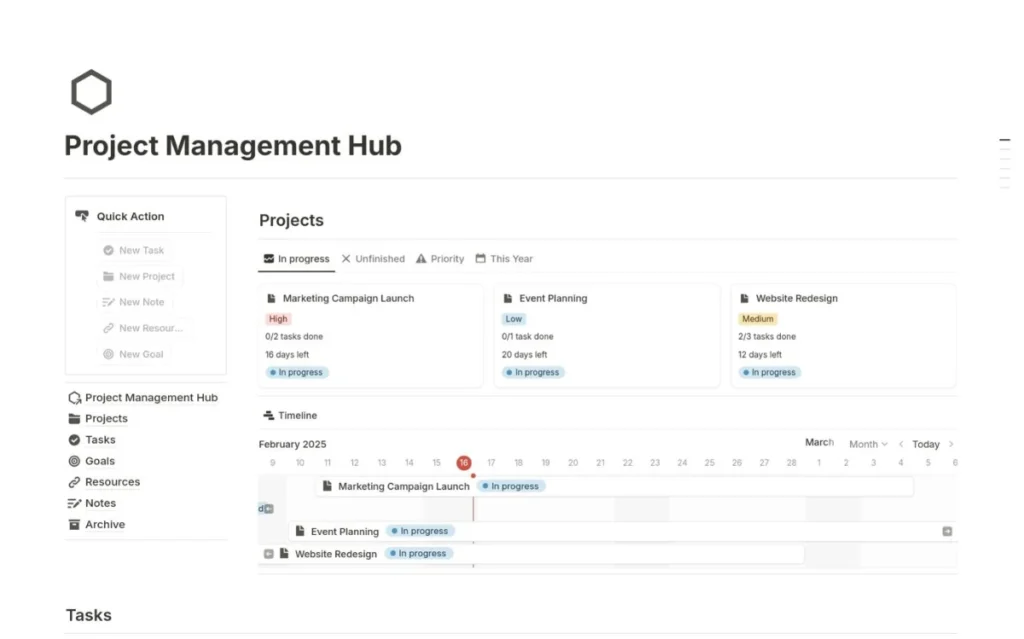
Notion
Combines documents, notes, databases, and project planning in a customizable workspace.
Website: Notion
Monday Vibe | Build Custom Apps with Vibe Coding & AI Prompts
monday.com
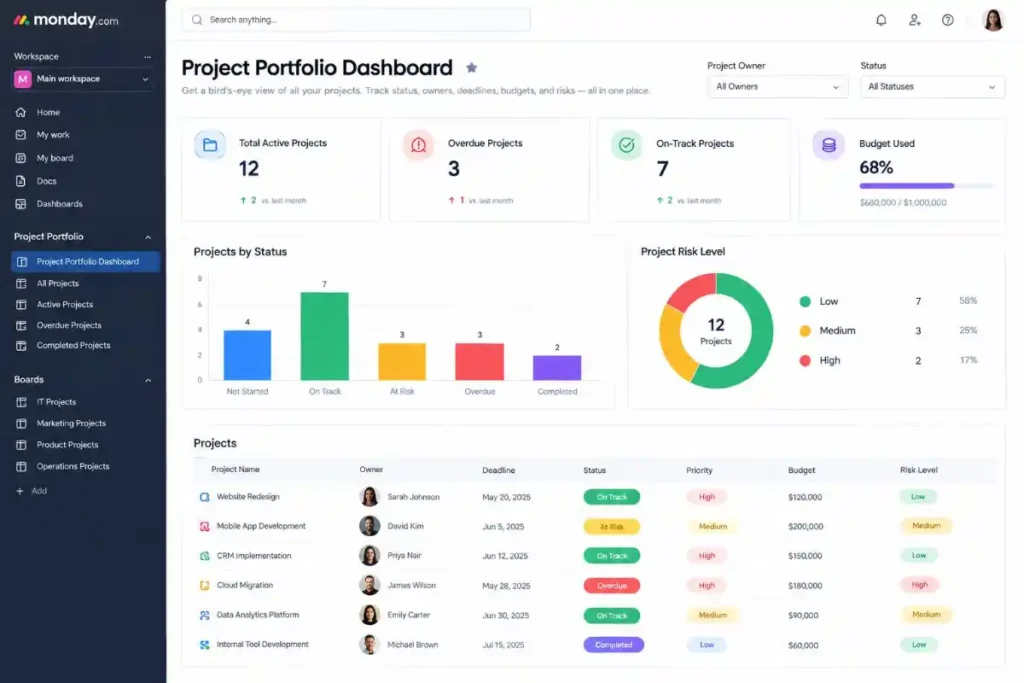
Offers visual ways to organize projects, monitor responsibilities, and coordinate team activities.
Website: monday.com
These are established products with identifiable websites. They should not be presented as official partners or integrations of the name discussed in this article.
Limitations and Things to Consider
Flexible workflows can be helpful, but they also have limitations.
Understanding those limitations is important before adopting any new working method.
Lack of Standardized Documentation
The available description does not establish a formal handbook, recognized certification, or independently maintained set of standards.
That can make consistent implementation difficult.
A team may interpret the same principles differently, resulting in confusion about responsibilities and procedures.
Unclear Performance Claims
The .net website displays figures such as four times faster idea refinement and 92% workflow clarity.
However, the publicly available page does not provide an identifiable research study, methodology, sample size, or independent source supporting those numbers.
Readers should not treat them as proven performance results.
Possible Confusion Between Different Domains
Multiple websites use the same name but publish different types of content.
A visitor looking for a productivity framework may reach a general publishing website instead.
This makes checking the exact domain particularly important.
No Established Software Offering
The available information does not establish a complete commercial software service with verified pricing, technical documentation, or a confirmed development team.
People searching for a dedicated project management application should consider established alternatives until clearer product information becomes available.
Risk of Overcomplicating Simple Projects
A flexible workflow should make work easier, not create more administrative tasks.
A small project with two people may only need a checklist and a shared calendar.
Adding multiple stages, meetings, and reporting requirements could waste time.
The best process is the simplest one that meets the project’s needs.
Is Zvodeps Legitimate and Safe to Use?
Legitimacy and safety require separate consideration.
A website can publish legitimate articles without operating a verified software company. Similarly, a website describing a productivity framework does not automatically prove that a functioning product exists.
Based on the publicly available information, the different websites can be identified, but their shared ownership or connection has not been established. Adaptive Workflow Intelligence Platform+2
Before using an unfamiliar website, consider these checks.
1. Check the About Page
Look for information about the publisher, business, editorial team, or website owner.
A useful About page should explain the website’s purpose and provide enough information to understand who is responsible for its content.
2. Review Contact Information
A professional website should provide a reasonable way to contact its operator.
Look for a working contact form, business email, or other communication channel.
3. Read the Privacy Policy
Before submitting personal information, understand how the website collects, stores, and uses visitor data.
Pay particular attention to advertising, analytics, cookies, and information sharing.
4. Avoid Unverified Downloads
Do not download software or browser extensions simply because a website associates them with a particular brand.
Check the developer, official distribution source, permissions, and available documentation first.
5. Be Careful With Payments
Do not enter credit card information or purchase subscriptions until you can identify the service provider and understand its pricing, cancellation terms, and refund policy.
HTTPS is useful because it encrypts the connection between your browser and a website. However, it does not independently establish that the website operator is trustworthy.
Why Is This Term Appearing in Search Results?
There are several possible reasons.
First, unusual words naturally create curiosity. People who encounter an unfamiliar name may search for its definition, origin, or intended purpose.
Second, websites can use unique names as domain names or publishing brands. This creates additional opportunities for the term to appear in search results.
Third, articles discussing the same subject can increase its visibility. When multiple publishers cover an unfamiliar keyword, readers may encounter several different explanations.
However, search visibility and credibility are not the same.
A term can appear in dozens of articles without having an established definition or recognized industry meaning.
For readers, the best approach is to examine the original website, compare its claims with independent information, and avoid accepting repeated descriptions as proof.
The Future of Adaptive Workflow Management
Although the name itself has an uncertain status, the underlying ideas reflect genuine needs in modern workplaces.
American companies increasingly depend on remote collaboration, digital communication, project planning, and shared information.
Employees may work from different offices, states, or home environments. A well organized workflow helps them understand priorities and coordinate responsibilities.
Several developments make flexible project management particularly relevant.
Artificial intelligence. AI tools can assist with research, content organization, summaries, and repetitive administrative tasks. Human review remains important for accuracy and decision making.
Remote collaboration. Teams need clear processes for sharing updates, reviewing work, and managing deadlines across different locations.
Automation. Businesses can automate repetitive activities, allowing employees to spend more time on important work.
Data driven decisions. Project information can help managers identify delays, compare performance, and improve future planning.
Flexible business operations. Companies need processes that can adapt to customer expectations, changing markets, and new opportunities.
These trends support the broader value of adaptive working methods. They do not, however, establish that a particular website or framework has achieved measurable success.
Frequently Asked Questions
What is Zvodeps in simple terms?
It is an uncommon online name used in different contexts. One website presents it as a multi topic publishing brand, while another describes it as a flexible workflow framework. There is no universally accepted definition or independently established software product associated with the name.
Is Zvodeps a real website?
Yes. Multiple domains use the name, including the .com, .org, and .net versions. They publish different types of information and should not automatically be considered part of the same organization.
Is Zvodeps a software application?
There is insufficient evidence to establish a recognized software application under this name. The .net website describes a workflow philosophy and framework, but a conceptual framework is not the same as a downloadable or fully documented application.
What is the purpose of the Zvodeps workflow?
The workflow description focuses on four stages: collecting ideas, shaping direction, building a workflow, and executing and improving the process. These stages are intended to connect creative thinking with practical project management.
Who can benefit from adaptive workflow management?
Small business owners, marketing professionals, designers, software developers, consultants, and startup founders can benefit from flexible planning. It can help organize responsibilities, manage priorities, and respond to changing project requirements.
Is Zvodeps related to DevOps?
There is no reliable evidence establishing a direct connection between the two terms.
DevOps is an established approach that combines software development and IT operations to improve collaboration and software delivery. The similar spelling should not be treated as proof of a relationship.
Is Zvodeps an AI platform?
There is no independently verified evidence establishing it as an AI platform. Some descriptions discuss modern technology and digital productivity, but that does not demonstrate the existence of a specific AI product or service.
Can small businesses use its workflow principles?
Yes. Businesses can apply the general principles of collecting ideas, setting priorities, assigning tasks, tracking progress, and reviewing results. They can use ordinary project management software or spreadsheets without needing a special application.
Is Zvodeps better than Agile or Scrum?
There is no independent research establishing that it performs better than Agile or Scrum. Both are established approaches with documented practices. Businesses should choose a method based on their project requirements, team experience, and available resources.
Should I trust websites using this name?
Evaluate each domain independently. Check its ownership information, contact details, privacy policy, published content, and claims. Do not assume that different websites using the same name share an owner or provide the same service.
Final Verdict
Zvodeps is an unusual online name with several interpretations rather than one clearly established meaning. Its use across different domains has created confusion among people looking for a straightforward explanation.
The most identifiable uses include a general interest publishing website, a home and lifestyle publication, and a website that describes an adaptive workflow framework.
The workflow ideas themselves are practical. Collecting ideas, organizing priorities, assigning responsibilities, and improving processes can help businesses manage projects more effectively. However, these principles are not exclusive to one brand, and there is not enough independent evidence to establish a recognized software platform or standardized methodology behind the name.
For US readers, the best approach is to investigate each website separately and rely on established project management tools when a dependable working solution is needed.
The bottom line: The name has an online presence, and its associated workflow ideas are understandable, but its official meaning, ownership, and status as a commercial technology product remain unverified.

Rowan Blake reviews websites, online services, and digital tools to help readers make informed decisions. With a focus on honest insights, practical comparisons, and clear explanations, Rowan makes it easier to discover useful platforms and choose the right tools with confidence.